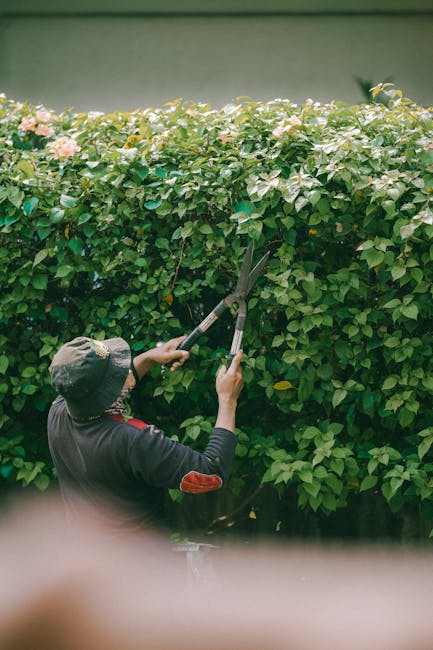
Avoid hidden garden maintenance charges in Stratford Newham

If you have ever agreed a garden job in Stratford and then seen the invoice creep up afterwards, you will know why this matters. Hidden extras can turn a simple tidy-up into an awkward conversation very quickly. The good news is that you can avoid hidden garden maintenance charges in Stratford Newham by knowing what should be included, what should be questioned, and how to compare quotes properly before anyone starts work.
This guide breaks the topic down in plain English. You will learn how garden maintenance pricing usually works, which charges are fair, which ones should be explained clearly, and how to protect yourself from surprise add-ons without making the process complicated. A little preparation goes a long way, honestly.
Why Avoid hidden garden maintenance charges in Stratford Newham Matters
Garden work looks straightforward from the outside. Cut the grass, trim the hedge, clear the waste, job done. But in practice, prices can change once a contractor sees the actual site. A narrow access path, a very overgrown border, heavy green waste, or extra time for disposal can all affect the final bill. That is normal to a point. The problem starts when those costs were never mentioned before the work began.
In Stratford Newham, gardens vary a lot. Some are compact urban spaces behind terraced homes. Others are shared spaces, new-build plots, or bigger family gardens with awkward access. That variety means a one-line quote is rarely enough. If you want a fair result, you need clarity on scope, frequency, waste removal, and whether the price assumes a one-off visit or ongoing care.
To be fair, most pricing disputes are not about bad intent. They happen because the customer assumed one thing and the contractor assumed another. A quote that looks cheaper can become more expensive later if it excludes common tasks like waste bagging, fuel, disposal, or moving equipment through the property. That is exactly why comparing like for like matters so much.
There is also a trust side to this. When pricing is transparent, it becomes much easier to plan routine care. You can budget for garden maintenance, schedule repeat visits, and avoid the stop-start cycle that makes gardens more expensive over time. A tidy, well-structured quote is not just a nice extra. It is part of good service.
Key takeaway: the cheapest quote is not always the best value. A clear quote with defined work, waste handling, and sensible expectations is usually the safer choice.
How Avoid hidden garden maintenance charges in Stratford Newham Works
The simplest way to avoid hidden costs is to understand the moving parts of a garden maintenance quote. Most professional quotes should describe what is included, what is excluded, and what could trigger an extra charge. If that information is missing, ask for it before booking. No need to be awkward. It is your money.
Here is what normally affects pricing:
- Garden size: larger spaces usually need more labour and more time.
- Condition of the garden: an overgrown garden often takes longer than a standard tidy.
- Access: narrow side passages, locked gates, shared entries, or limited parking can change the job setup.
- Waste volume: cuttings, branches, soil, and mixed green waste may require collection or disposal.
- Frequency: one-off visits and regular maintenance are priced differently.
- Specialist tasks: hedge cutting, tree work, turf repair, or landscaping changes are often separate from basic maintenance.
When you request a quote, a good provider should ideally ask questions before giving a fixed price. They may want photos, measurements, a short description of the work, or a site visit. This is a positive sign, not a nuisance. It means they are trying to price the job properly rather than guessing and adding fees later.
If you need a broader overview of what a provider can handle, the services overview is a useful place to start. For ongoing work, you can also look at garden maintenance and related services such as lawn mowing or hedge trimming to see how jobs may be bundled.
A quick note: not every additional charge is hidden. Some are legitimate and should simply be explained early. For example, if a garden clearance involves a large amount of waste, that may cost more than a routine cut-and-tidy visit. The key is transparency. Surprise is the enemy here.
Key Benefits and Practical Advantages
Getting pricing clarity does more than protect your wallet. It makes the whole maintenance process smoother, calmer, and easier to repeat. In our experience, once the money side is clear, the actual gardening conversation gets much better. People start focusing on the result they want rather than worrying about what the final bill might become.
- Better budgeting: you know what a regular visit should cost.
- Less stress: there is no awkward debate after the work is finished.
- Better comparison: you can compare quotations on the same basis.
- Improved service quality: providers who price clearly often work more systematically.
- Fewer disputes: expectations are set in advance.
- More consistent upkeep: gardens stay manageable, which often reduces future spend.
There is also a practical benefit many people miss: better planning. If you know a hedge cut, a lawn mow, and a seasonal clearance will each be priced separately, you can choose the right time for each task instead of doing everything in panic mode after things have grown out of control. Panic gardening. We have all been there, or at least walked past a neighbour doing it on a Sunday afternoon.
Another advantage is that transparency helps you spot whether a job should be broken into phases. A garden clearance, for example, may be more cost-effective if the waste removal, pruning, and follow-up maintenance are separated in a sensible way. That avoids one big opaque price that nobody can really explain.
Who This Is For and When It Makes Sense
This matters for almost anyone paying for garden upkeep in Stratford Newham, but some people feel the risk more sharply than others.
- Homeowners who want regular maintenance without budget shocks.
- Landlords who need garden work done between tenancies or for ongoing property care.
- Tenants trying to meet property expectations without overspending.
- Busy families who need recurring support but do not have time to monitor every detail.
- Older residents who want reliable help and clear communication.
- Property managers responsible for keeping communal or rental spaces presentable.
It makes particular sense if your garden has any of the following:
- limited access through the house or a side gate
- dense hedges or mature growth
- lots of leaf fall or seasonal build-up
- debris left from previous work
- mixed tasks that could be treated as one job by one contractor and as several separate jobs by another
If you are planning more than basic upkeep, such as pruning, clearance, or improvements around outdoor surfaces, it can also help to review related services like garden clearance, landscaping, or even decking services. That way, you understand what belongs in the quote and what does not.
Truth be told, the people who benefit most are not necessarily the ones with the biggest gardens. It is often the owners of small urban gardens where access is tight and every minute matters. Small space, yes. Small complications? Not always.
Step-by-Step Guidance
If you want a practical way to avoid hidden garden maintenance charges in Stratford Newham, follow this simple process.
1. Describe the job clearly
Be specific about what you want done. Don't just say "tidy the garden." Say whether you need mowing, hedge trimming, weed control, leaf clearing, pruning, waste removal, or a full tidy-up. If the garden has been neglected for a while, say so. A little honesty up front avoids drama later.
2. Share photos or arrange a visit
Photos help, but for more involved work a site visit is better. Pictures can hide access issues, uneven ground, or waste volume. If the provider cannot see the job properly, the quote is more likely to change. And that is usually where the hidden charge conversation starts.
3. Ask what is included
Do not assume. Ask directly whether the quote includes labour, tools, travel, waste bagging, disposal, fuel, and VAT if applicable. Ask whether cutting back shrubs, removing cuttings, or moving heavy materials counts as part of the standard service.
4. Ask what may cost extra
This is the important bit. A straightforward contractor should be able to explain likely extras before work starts. Common examples include excessive waste, very overgrown areas, difficult access, or additional materials required during the job.
5. Confirm the price basis
Is the quote fixed, estimated, or charged by the hour? Each has pros and cons. A fixed price gives certainty, while an hourly rate can suit unknown or variable jobs. The key is to know which one you are agreeing to.
6. Get the scope in writing
A short written summary is enough in many cases. It should mention the task, the price basis, and any exclusions. This does not have to be a legal novel. Just a clear record. Very useful if memories get fuzzy later in the day.
7. Check payment terms before the work starts
Ask when payment is due, how payment is taken, and whether a deposit is required. If the provider has a payment and security page, that can help explain their approach. Clear payment terms reduce confusion just as much as clear labour terms do.
8. Inspect the result before settling the bill
Once the work is finished, take a minute to check the agreed scope. Did they complete everything that was promised? Were any extras discussed and accepted during the job? A quick review at the end prevents small disputes from becoming bigger ones.
Expert Tips for Better Results
A few experienced habits can save you a lot of money and hassle.
- Bundle jobs sensibly: combining lawn mowing with hedge trimming or light clearance can be more efficient than booking each task separately.
- Schedule before growth gets out of hand: routine work is usually easier to price and complete than emergency catch-up jobs.
- Keep access open: if possible, unlock gates, move cars, and clear pathways before the team arrives.
- Separate maintenance from improvement work: planting, redesigns, and hard landscaping should not be lumped in with basic garden care.
- Ask for a simple breakdown: labour, waste, and extras are easier to understand when shown separately.
One useful habit is to take a few photos before and after each visit. It sounds a bit nerdy, but it helps. If a question comes up about what was agreed, you have a visual record. No need for a courtroom scene in the driveway.
If sustainability matters to you, ask how waste is handled and whether cuttings are processed responsibly. You can also review recycling and sustainability information to understand how a provider approaches green waste and resource use. That is especially relevant after larger clearances.
And one more thing: be careful with "special offer" wording. A low headline price that excludes waste or only covers a tiny area is not a bargain. It is just a smaller number in bigger shoes.
Common Mistakes to Avoid
Most hidden-charge problems come from a handful of predictable mistakes. The good news? They are easy to sidestep once you know them.
- Accepting vague quotes: if the quote says "garden work as required," keep asking questions.
- Not checking waste removal: green waste can be a genuine cost driver.
- Forgetting access limitations: narrow side access or stairs can affect time and labour.
- Comparing prices without comparing scope: a cheaper quote may include less work.
- Assuming regular and one-off visits are priced the same: they usually are not.
- Skipping written confirmation: even a short summary can prevent confusion.
- Mixing maintenance with clearance: these are often separate jobs with different pricing logic.
People also sometimes forget to mention nearby structures, fragile planting, or specific areas they want left untouched. Then the contractor avoids doing those areas, and the client feels short-changed. A quick walkthrough before the job starts can prevent that. Five minutes now can save a lot of faffing around later.
Tools, Resources and Recommendations
You do not need special software to manage pricing properly, but a few simple tools help:
- Phone camera: use it to record the garden condition before work starts.
- Notes app: write down what was quoted and what was agreed.
- Measurements: rough size, hedge length, or number of problem areas can improve quote accuracy.
- Checklist: keep a standard list of tasks you want included each time.
From a service-planning perspective, it can also help to explore the provider's wider offering. For example, a garden needing regular upkeep may benefit from a mix of lawn mowing, hedge trimming, and occasional garden clearance. If the garden is part of a larger outdoor improvement project, landscape gardening or landscaping may be more appropriate than trying to patch a one-off maintenance plan together.
If you want to understand who you are dealing with and how the company presents itself, the about us page can help build confidence. It is not about fluff. It is about seeing whether the business communicates clearly, which often mirrors how it handles pricing too.
Law, Compliance, Standards, or Best Practice
Garden maintenance is not usually the kind of service where people expect formal paperwork to pile up, but there are still sensible standards to keep in mind. In the UK, consumers generally benefit from clear pricing information, fair treatment, and services delivered with reasonable care and skill. You do not need to quote legislation to ask for a properly described job.
For practical purposes, best practice usually includes:
- clear description of the service
- transparent pricing basis
- reasonable explanation of extra charges
- safe working methods around tools, gates, paths, and outdoor surfaces
- proper handling of waste and disposal where relevant
If a job involves ladders, power tools, trees, or heavy debris, safety becomes more important. It is sensible to ask whether the provider follows a documented approach to health and safety and insurance. A page such as health and safety policy or insurance and safety information can give reassurance, even if the exact documents are not something you pore over with a cup of tea.
Also, if a problem does arise, it helps to know whether there is a clear complaints route. A straightforward complaints procedure shows the business has thought about what happens if things go wrong, which is always a good sign. Quietly reassuring, that.
Options, Methods, or Comparison Table
Different pricing methods suit different jobs. Here is a practical comparison.
| Method | Best for | Benefits | Watch out for |
|---|---|---|---|
| Fixed price | Clearly defined jobs | Budget certainty, easier comparison | May exclude extra tasks if scope is vague |
| Hourly rate | Uncertain or variable jobs | Flexible if the garden condition is unknown | Can become expensive if the job runs long |
| Package or recurring plan | Regular upkeep | Predictable, often more manageable over time | Needs clear visit frequency and task list |
| Job-by-job quoting | Mixed work over time | Simple for one-off tasks | Harder to budget unless each job is well scoped |
If the garden needs specialised work beyond basic maintenance, the quote may need separate lines for pruning, clearance, removal, or construction-related tasks. For example, if a tree is involved, tree lopping and removal is a very different service from a standard tidy-up. Same with hard surfaces or outdoor structures. A deck or raised platform can require care that is not part of routine mowing.
Case Study or Real-World Example
Here is a realistic example from a typical Stratford-style garden scenario. A homeowner asks for "a quick tidy" after several wet weeks. The garden has a patchy lawn, an untamed hedge at the back, and a decent amount of cuttings from previous plants. The first quote looks low, which is always tempting. But when the provider asks for photos, a few details become clear: narrow access down the side, more waste than expected, and a hedge that needs much more than a light trim.
Instead of one vague number, the work is split into parts: lawn mowing, hedge trimming, and waste collection. The homeowner can see what each part contributes and chooses to do the hedge this month and the clearance later. That may sound less exciting than a single neat quote, but it is usually far more honest and manageable. No one feels blindsided at the end, which is the whole point.
In another case, a landlord wants a property prepared between tenancies. The garden is not just untidy; it is overgrown and littered with debris. A provider who specialises in service planning and can separate maintenance from clearance is much easier to work with than someone who offers a throwaway price and hopes for the best. The result is less stress, faster turnaround, and a final bill that makes sense.
Practical Checklist
Use this before you approve any garden maintenance quote:
- Have I described the job clearly and completely?
- Do I know whether the quote is fixed or estimated?
- Has waste removal been included or explained separately?
- Do I understand what counts as an extra charge?
- Have I shared photos or arranged a site visit?
- Have I checked access issues, parking, and gate width?
- Do I know whether the work is one-off or part of a recurring plan?
- Has the provider confirmed payment terms in writing?
- Do I know which tasks are included and which are not?
- Have I compared the scope, not just the headline price?
Quick practical note: if anything feels unclear, ask again. A good provider will not mind. In fact, clear questions usually lead to a better service all round.
Conclusion
Avoiding hidden garden maintenance charges in Stratford Newham is mostly about clarity, not confrontation. Ask better questions, compare like for like, and make sure the scope is written down before work starts. That alone removes most of the risk. You do not need to become an expert in every hedge or hedge fund, thankfully. Just pay attention to what is included and what is not.
When pricing is transparent, garden care becomes simpler to plan, easier to trust, and much better value over time. Whether you need a quick cut, a seasonal tidy, or a more involved outdoor reset, the smartest move is to start with a clear quote and a clear conversation. Small effort now. Much calmer later.
If you are ready to take the next step, explore the service information, review the provider's policies, and ask for a quote that spells out exactly what you are paying for.
Get a free quote today and see how much you can save.
Frequently Asked Questions
What counts as a hidden garden maintenance charge?
A hidden charge is any extra cost that was not explained before the job started. It might be waste removal, difficult access, extra labour, or a task that was assumed rather than agreed.
How do I compare garden quotes fairly?
Compare the scope, not just the price. Check what each quote includes, whether waste is covered, whether VAT is included if relevant, and whether the contractor is pricing a fixed job or an estimate.
Should garden maintenance always include waste removal?
Not always, but it should be clearly stated either way. Some providers include waste removal in the price, while others separate it. The important thing is that you know before booking.
Why do garden prices change after a site visit?
Because the real garden may be different from the description. Access issues, overgrowth, extra waste, or hidden problem areas can all affect the time and materials needed.
Is a cheaper quote a bad sign?
Not necessarily, but a quote that is much lower than the others may exclude something important. If it seems unusually cheap, ask exactly what is and is not included.
Can I ask for a written quote?
Yes, and you absolutely should for anything beyond a very small job. A written quote helps protect both sides and makes it easier to avoid misunderstandings.
What should I ask before booking garden maintenance?
Ask what the service includes, whether waste is included, how access affects pricing, whether the price is fixed or estimated, and whether any extras may apply.
Are one-off garden jobs more expensive than regular visits?
Often, yes. One-off jobs can take longer because the garden may be more overgrown or require a bigger clear-up. Regular maintenance is usually easier to manage and price.
How can I tell if a contractor is being transparent?
Transparent contractors explain the price clearly, answer questions directly, and do not dodge details about exclusions or extra charges. They should be comfortable describing the scope in plain English.
What if extra work is needed once the job has started?
That is fine if it is discussed first. Any extra work should be agreed before it happens, ideally with a clear explanation of the additional cost.
Do I need to worry about safety and insurance?
Yes, especially if the job involves ladders, heavy tools, tree work, or difficult access. It is sensible to choose a provider that can explain its safety and insurance approach.
What is the best way to avoid surprises on the final bill?
Be specific, ask for a written breakdown, clarify waste and access issues, and make sure both sides agree on what the job includes before work begins. That is the simplest route, and the most reliable one too.