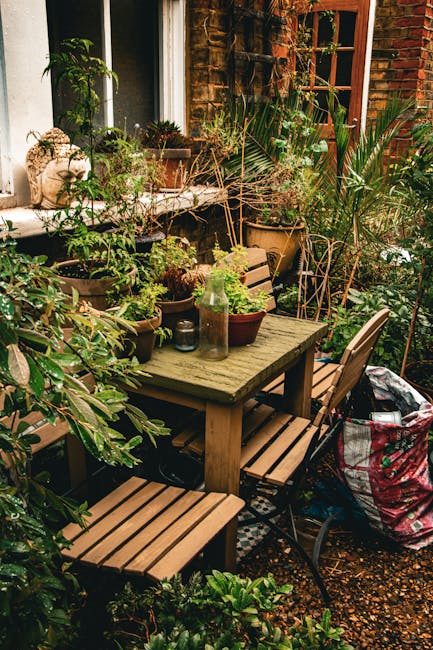
Common mistakes hiring small courtyard gardeners in Stratford
Hiring someone to care for a small courtyard sounds simple enough. A tidy border, a few pots, maybe some paving that needs a bit of love. But in practice, the common mistakes hiring small courtyard gardeners in Stratford can lead to awkward pricing surprises, poor plant choices, messy finishes, and work that simply does not suit a compact space. Small courtyards need a different approach from larger gardens: tighter access, limited storage, careful drainage, and a real eye for proportion.
If you are comparing local gardeners, this guide will help you spot the red flags early, ask better questions, and choose someone who understands what a courtyard actually needs. We will look at the hiring process, the pitfalls people repeat far too often, and the practical checks that save time, money, and a lot of head-scratching later. To be fair, a small space can be more demanding than a bigger one. There is nowhere to hide the mistakes.
Contents
- Why Common mistakes hiring small courtyard gardeners in Stratford Matters
- How Common mistakes hiring small courtyard gardeners in Stratford Works
- Key Benefits and Practical Advantages
- Who This Is For and When It Makes Sense
- Step-by-Step Guidance
- Expert Tips for Better Results
- Common Mistakes to Avoid
- Tools, Resources and Recommendations
- Law, Compliance, Standards, or Best Practice
- Options, Methods, or Comparison Table
- Case Study or Real-World Example
- Practical Checklist
- Conclusion
- Frequently Asked Questions
Why Common mistakes hiring small courtyard gardeners in Stratford Matters
Small courtyards are lovely spaces, but they are unforgiving. A narrow patio can feel elegant with the right planting and maintenance, or cramped and patchy if the work is rushed. That is why common hiring mistakes matter so much here: the wrong gardener can overwork the space, under-plan the layout, or quote for a job that does not reflect the realities of a compact garden.
In Stratford, many courtyard gardens are attached to townhouses, terraces, flats, and newer developments where access can be awkward and drainage needs careful attention. The best gardeners understand how to work in tight, often shared, spaces without causing disruption. They also know that a courtyard is not just "a small garden." It may need garden maintenance, light landscaping, careful hedge trimming, or even support with a complete garden clearance if the area has been neglected.
Get the hire wrong, and the effects are often subtle at first: a plant bed that looks fine in spring but overheats in summer, gravel that migrates into drains, or paving edges left untidy. Later, that turns into extra spend. Sometimes it is the simplest thing, like a gardener who brings equipment too large for a narrow side passage. A tiny detail, a big headache.
Expert summary: the best small courtyard gardener is not just the one who can cut, prune, and tidy. It is the one who understands proportion, access, drainage, finish quality, and the rhythm of maintenance in a compact outdoor space.
How Common mistakes hiring small courtyard gardeners in Stratford Works
The hiring process usually starts with a quick call, a few photos, or an on-site visit. That first conversation matters more than people think. A strong contractor will ask about access, what surfaces are present, whether there is existing planting, how often you want the courtyard maintained, and whether the work is one-off or ongoing. A weaker one may jump straight to a rough figure without really understanding the job.
For small courtyard work, the right approach is normally more consultative. The gardener assesses the layout, sun exposure, drainage, soil quality, and how the space is used. Is it a private sitting area, a through-route, or a decorative pocket garden? Will people need to step around planters, or is the courtyard mostly for visual effect? These details shape the work more than a lot of homeowners realise.
If you are looking at broader help rather than a one-off tidy-up, it may be worth understanding the full range of services through the site's services overview or a more regular garden maintenance arrangement. Courtyard projects often work best when the gardener can return seasonally, not just once and vanish into the mist.
The process should end with clear scope. What is included, what is not, how waste is handled, whether plants are supplied, and what finish you should expect. Simple enough in theory. Yet this is where most disappointment starts.
Key Benefits and Practical Advantages
Hiring the right small courtyard gardener brings more than neatness. It can improve the flow of the space, make plant care easier, and stop the garden from becoming a maintenance burden. In a compact courtyard, the difference between average and well-planned is obvious within seconds.
- Better use of limited space: compact areas need proportionate planting and surfaces that do not overwhelm the eye.
- Lower long-term upkeep: sensible layouts reduce the amount of pruning, deadheading, and general tidying.
- Cleaner presentation: courtyard gardens are often visible from kitchens or living rooms, so the finish matters every day.
- Safer access and movement: the right setup avoids clutter, slipping hazards, and blocked pathways.
- More resilient planting: small spaces can dry out fast, so plants need to be matched to conditions, not just chosen because they look nice in a pot label.
There is also a psychological benefit, if that is not too grand a phrase. A compact garden that feels cared for can change how the whole home feels. You notice it when the light catches the leaves in the morning, or when stepping outside does not reveal a tired patch of mud and broken pots. That small emotional lift matters.
Done well, this kind of work can also align with related services such as landscape gardening or modest structural changes through landscaping. If the courtyard includes timber or hard landscaping features, a supplier who can also advise on decking services may help create a cleaner, more coherent result.
Who This Is For and When It Makes Sense
This topic matters most if you own, rent, manage, or let a property with a small private courtyard in Stratford. It also applies if you are moving into a home where the outdoor area is currently neglected and you want it made usable without overinvesting in a redesign that is too ambitious for the space.
You will likely benefit from taking extra care if:
- your courtyard has limited access through the house or side passage;
- the surface mixes paving, gravel, planters, and planting beds;
- you want a clean, low-maintenance finish rather than a full redesign;
- you need seasonal pruning, hedge trimming, or lawn care elsewhere on the property;
- the garden is overlooked and appearance matters as much as function;
- you have had poor experiences with rushed or generic gardening work before.
It also makes sense if you are weighing up whether to hire a general gardener or someone more design-aware. For example, a tiny courtyard with awkward levels may be better handled by a gardener with experience in smaller-scale landscaping, not just mowing and basic weeding. Truth be told, not every green-fingered person is a courtyard specialist, and that is perfectly fine. It just means you should ask the right questions.
If your space is overwhelmed by debris, broken pots, or old fixtures, clearing it first can make the whole decision easier. In some cases, a one-off tidy through garden clearance is the best way to reset the area before any planting or decorative work begins.
Step-by-Step Guidance
1. Define the job properly
Start by deciding what you actually want the courtyard to do. Is it for sitting, looking at, growing herbs, or all three? A gardener cannot price or plan well if the brief is vague. "Make it nice" is not a brief. Sorry, but it just isn't.
2. Gather photos and measurements
Take a few clear images in daylight and note rough dimensions. Mention access points, steps, gates, drains, and any fixed features. If a contractor needs to bring bags of compost, tools, or waste away through a narrow passage, they need to know in advance.
3. Ask what experience they have with compact spaces
Small courtyards need judgement. Ask for examples of similar work, or at least ask how they approach limited-space planting and maintenance. A good answer will mention plant scale, seasonal interest, drainage, and access planning, not just "we do all kinds of gardens."
4. Check the scope and what is excluded
Make sure the quote covers labour, disposal, materials, planting, and any repeat visits if relevant. If you want a maintenance plan, ask how often it should happen and what tasks are included each visit. Sometimes people assume hedge cutting, weeding, and sweeping are all part of the same package, but they are not always bundled that way.
5. Compare more than the price
A cheap quote can be attractive, especially when the courtyard is only a small job. But low price can hide narrow scope, rushed finish, or poor communication. Compare clarity, responsiveness, and whether the gardener has actually thought about the space.
6. Confirm insurance, safety, and payment terms
Before work begins, make sure you understand the payment process and any safety considerations. It is sensible to review pages such as insurance and safety and payment and security so you know how the business handles practical risks and transactions.
7. Walk through the finished result
Once the work is complete, do a careful check while the site is still fresh in your mind. Are edges neat? Are planters stable? Was all waste removed? If something feels off, say so politely and promptly. That is much easier than discovering it three weeks later when the rain has tested everything.
Expert Tips for Better Results
Here is where a little experience goes a long way. A courtyard looks better when the contractor thinks about how the space will age, not just how it looks on day one.
- Prioritise easy-maintenance plants: choose species that suit shade, reflected heat, wind, and limited soil volume.
- Keep hard landscaping simple: too many materials can make a tiny space feel busy and awkward.
- Leave room to move: people often fill every corner, then wonder why the courtyard feels cramped.
- Plan for drainage from the start: pooled water is one of the quiet little annoyances that becomes a big one.
- Think in layers: taller plants at the back, low growers near walking areas, and enough visual breathing room in between.
- Use maintenance as part of design: if it is hard to reach, it will be hard to keep tidy.
If you are unsure whether a project needs design input or just tidy-up work, look closely at the balance between function and appearance. A straightforward maintenance visit may be enough, or you may benefit from a more considered redesign. For hedges, edges, and screening in small courtyards, hedge trimming can play a big role in making the space feel sharper without taking over.
A useful rule of thumb: in small spaces, subtraction often improves the result more than addition. Fewer species. Fewer competing textures. Fewer awkward ornaments. The garden can breathe a bit. Nice, actually.
Common Mistakes to Avoid
1. Hiring purely on price
This is the classic mistake. The cheapest quote may not include waste removal, plant selection, or even proper finishing. On a courtyard, where details show immediately, a bargain can become expensive quickly.
2. Not mentioning access problems
If tools have to be carried through the house, if there is only a narrow gate, or if parking is awkward, say so early. A contractor who learns this on arrival may need extra time or may not have the right equipment.
3. Choosing plants that do not suit the space
Big, thirsty plants in a tiny suntrap can look impressive for a month and then struggle. Similarly, dense planting can trap moisture or create a maintenance burden. The wrong plants are one of the most common reasons a courtyard starts to look tired.
4. Ignoring drainage and surface runoff
Water has a habit of finding the weakest point. In small paved spaces, poor drainage can affect paving, plant health, and even nearby walls. It is not dramatic at first. Then one wet week later, it is very dramatic.
5. Assuming maintenance is included forever
A one-off tidy, a seasonal visit, and an ongoing maintenance plan are all different things. Be clear which one you are buying. Otherwise, there is room for disappointment on both sides.
6. Overfilling the courtyard
Too many pots, too many features, too many decorative bits. It happens a lot. The courtyard stops feeling restful and starts feeling like a storage area with plants. Less really can be more here.
7. Forgetting to ask about waste disposal
Green waste, old compost, broken containers, and cuttings all need somewhere to go. If disposal is not discussed, you may be left with a tidy garden and a messy pile of leftovers.
8. Not checking communication style
This sounds small, but it matters. If someone is slow to reply or vague before the job, they will likely be vague during it too. You want a gardener who explains things clearly and does not make you feel awkward for asking basic questions.
Tools, Resources and Recommendations
You do not need specialist knowledge to make a good hire, but a few practical tools help. Keep the process simple and structured.
- A photo set of the courtyard: take pictures in daylight from each corner and from the main access point.
- A rough measurement note: length, width, and any awkward narrow sections.
- A short wish list: what you want to keep, remove, improve, or avoid.
- A maintenance calendar: think about spring tidy-ups, summer watering, autumn leaf fall, and winter protection.
- A budget range: not just the absolute max, but what you are comfortable with for ongoing care.
If you need broader support, it can help to review the company's about us page to understand its working style and the kinds of jobs it focuses on. For customers who care about where green waste ends up and how materials are handled, recycling and sustainability is also worth checking.
And if the site is not yet ready for improvement, starting with the right service path matters. Sometimes it is mowing elsewhere, sometimes it is shrub work, sometimes it is a fuller reset through garden maintenance. The right starting point saves a lot of backtracking.
Law, Compliance, Standards, or Best Practice
For most homeowners, hiring a courtyard gardener is not a heavily regulated process in the way some trades are. Even so, sensible standards still matter. A professional should work safely, communicate clearly, and handle waste responsibly. If work involves ladders, power tools, tree work, or awkward access, extra care is warranted.
Best practice usually includes:
- clear written or stated scope before work begins;
- careful handling of tools and materials in shared or narrow access areas;
- appropriate insurance where relevant;
- realistic scheduling so the work is not rushed;
- respect for neighbouring properties and shared areas;
- safe disposal of green waste and other debris.
If the job includes larger vegetation or anything beyond straightforward tidying, ask whether the contractor is comfortable with more specialised tasks such as tree lopping and removal. Do not assume every gardener handles every task. That would be a bit optimistic, honestly.
For business transparency, it is also sensible to look at the company's published policies. Pages such as health and safety policy, complaints procedure, and terms and conditions can help you understand how issues are handled and what expectations apply. That sort of clarity is reassuring, and frankly it should be standard.
Options, Methods, or Comparison Table
When hiring for a courtyard in Stratford, most people are choosing between three broad approaches. The right one depends on the condition of the space and how much ongoing care you want.
| Approach | Best for | Pros | Watch-outs |
|---|---|---|---|
| One-off tidy-up | Overgrown, untidy, or recently neglected courtyards | Fast reset, immediate visual improvement | May not solve long-term layout or planting issues |
| Regular maintenance | Courtyards that already work but need ongoing care | Consistent appearance, fewer surprises, easier budgeting | Needs reliable scheduling and clear task lists |
| Light redesign plus maintenance | Spaces that feel awkward, cramped, or poorly planted | Better use of space, improved flow, more resilient planting | Higher upfront planning and the risk of overcomplication |
A small courtyard often benefits from a hybrid approach: a bit of pruning, a bit of cleaning, maybe some targeted planting changes, then ongoing upkeep through a regular plan. If the aim is a smoother, more polished finish, the right contractor may also suggest modest structural improvements or hardscaping adjustments. Keep it proportionate. A courtyard should feel calm, not over-designed.
Case Study or Real-World Example
Imagine a Stratford courtyard with three paving slabs of planting, a tired trellis, and two oversized pots blocking the entrance. The owner wants it to feel like a quiet morning space for coffee, but also easy to maintain. They first contact a gardener based only on a low quote. The quote looks fine on paper, but it does not mention waste removal, plant sourcing, or access through a tight hallway.
On the day, the job starts awkwardly. The tools are bulky, the plants do not suit the shade, and the gardener leaves one corner feeling unfinished because the brief was never clarified. The owner ends up paying again later for adjustments. Not ideal.
Now compare that with a better approach. The homeowner sends photos, mentions access, says they want a low-maintenance courtyard with evergreen structure and seasonal colour, and asks for maintenance options too. The gardener suggests compact planting, clears away clutter, trims back the screening, and leaves space around the seating area. The courtyard ends up looking bigger, calmer, and easier to live with. That is the difference a proper briefing makes. Simple, but not always easy to remember in the moment.
Practical Checklist
Use this before you hire anyone for a small courtyard job in Stratford.
- Have I explained the courtyard's purpose clearly?
- Have I shared photos and rough measurements?
- Have I mentioned access limits, parking, or narrow entrances?
- Have I asked about experience with small or enclosed spaces?
- Do I know whether waste removal is included?
- Have I checked what materials or plants are supplied?
- Do I understand whether this is a one-off or ongoing service?
- Have I asked how they handle drainage, shade, and plant suitability?
- Have I reviewed payment terms and safety information?
- Do I know how to contact them if something needs adjusting afterwards?
One small tip: if you are unsure, ask the same question in two different ways. A good contractor will answer consistently. A vague one usually gets tangled up. That says a lot.
Conclusion
The biggest lesson is straightforward: small courtyard gardens reward careful planning, and they punish rushed hiring. The most common mistakes hiring small courtyard gardeners in Stratford are usually avoidable - unclear briefs, weak comparisons, poor access planning, and choosing the wrong style of work for the space. Once you slow down and ask the practical questions, the whole process becomes much easier.
For a courtyard to work well, the gardener needs to understand scale, maintenance, access, drainage, and the way you actually use the space. If you get those pieces right, even a modest area can feel calm, elegant, and genuinely useful. That's the goal, after all.
Get a free quote today and see how much you can save.
And if you take nothing else from this guide, take this: a small garden deserves a proper plan. Not a rushed one. Not a guess. A proper plan.
Frequently Asked Questions
What are the most common mistakes when hiring a courtyard gardener in Stratford?
The biggest mistakes are hiring on price alone, not explaining access issues, failing to confirm what is included, and choosing plants or finishes that do not suit a small, enclosed space.
Should I hire a general gardener or someone with courtyard experience?
If the space is tight, shaded, awkward to access, or visually prominent, someone with small-space experience is usually the safer choice. Courtyards need different judgement from larger lawns or open borders.
How do I know if a quote is too cheap?
If the quote is much lower than others, check whether waste removal, materials, plant supply, and follow-up work are included. A cheap quote can be fine, but only if the scope is genuinely comparable.
What should I tell a gardener before they visit?
Share photos, measurements, access details, what you want the courtyard to do, and any problem areas like drainage, shade, or stubborn overgrowth. The more practical detail you provide, the better the advice usually is.
Do small courtyard gardens need regular maintenance?
Often, yes. Because the space is compact, even small amounts of growth or debris can quickly change the look and feel of the garden. Regular maintenance helps keep it tidy and balanced.
Can a courtyard be made low-maintenance?
Yes, usually. The key is to use suitable plants, limit clutter, simplify materials, and design with maintenance in mind. Low-maintenance does not mean no maintenance, though. That bit is important.
What if my courtyard has poor drainage?
That should be discussed early. Poor drainage can affect paving, planting, and overall usability. A competent gardener or landscaper should at least flag the issue and suggest practical next steps.
Is garden clearance useful before hiring a courtyard gardener?
Very often, yes. If the space is full of debris, dead plants, old pots, or clutter, a reset can make planning and pricing much easier. It can also help you see the real layout again.
Do I need written terms before work starts?
It is wise to have clear terms, even for a small job. You want to know what is included, how payment works, and what happens if the scope changes. That sort of clarity prevents awkward conversations later.
How often should a small courtyard be checked or refreshed?
That depends on plant choice, weather, and how much use the space gets. Many courtyards benefit from seasonal attention, with extra visits if planting is dense or the area sees a lot of foot traffic.
What should I do if I am unhappy with the result?
Raise it promptly and calmly, and refer back to the agreed scope. If the business has a published complaints process, follow that route. Small issues are often easier to fix when they are raised early.
Can courtyard work include harder landscaping features?
Yes, if the space needs it. Some courtyards benefit from paving adjustments, retaining features, or timber elements, which is where broader landscape gardening or related decking services may come into play.