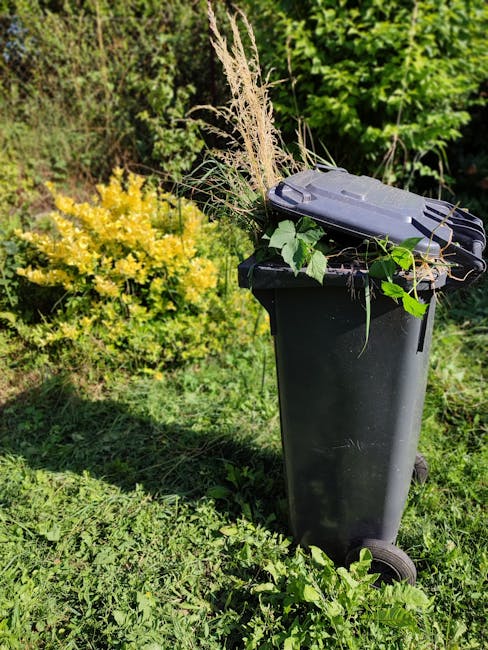
Newham Council Rules Tree Work and Garden Waste in Stratford
If you are planning tree work or clearing garden waste in Stratford, the rules can feel a bit tangled at first. One minute you are looking at a tired hedge or a tree that has outgrown the fence line; the next, you are wondering what Newham Council expects, what you can dispose of yourself, and when professional help makes more sense. This guide cuts through that noise. It explains the practical side of Newham Council rules tree work and garden waste in Stratford, so you can make the right call without creating avoidable problems.
We will look at what usually needs checking before work begins, how garden waste is typically handled, where common mistakes happen, and what good practice looks like in a real Stratford garden. Whether you are a homeowner, landlord, tenant, or managing a property with a larger outdoor space, the aim is simple: help you keep the work safe, sensible, and cleanly finished. To be fair, that last part matters more than people think.
For readers who are planning wider outdoor improvements at the same time, it can also help to review related services such as tree lopping and removal, garden clearance, or recycling and sustainability before deciding how to proceed.
Table of Contents
- Why Newham Council rules tree work and garden waste in Stratford Matters
- How Newham Council rules tree work and garden waste in Stratford Works
- Key Benefits and Practical Advantages
- Who This Is For and When It Makes Sense
- Step-by-Step Guidance
- Expert Tips for Better Results
- Common Mistakes to Avoid
- Tools, Resources and Recommendations
- Law, Compliance, Standards, or Best Practice
- Options, Methods, or Comparison Table
- Case Study or Real-World Example
- Practical Checklist
- Conclusion
- Frequently Asked Questions
Why Newham Council rules tree work and garden waste in Stratford Matters
Tree work and garden waste are not just "garden jobs". They can affect safety, access, neighbours, wildlife, and how waste is stored or removed. In Stratford, that matters because properties are often close together, boundaries can be tight, and a small pruning job can turn into a surprisingly messy afternoon if the waste is not managed properly.
Newham Council rules and local expectations matter for a few reasons. First, there is the practical side: branches, trunks, hedge cuttings, soil, and mixed green waste all need somewhere to go. Second, there is the legal and environmental side: certain trees may be protected, and waste has to be handled responsibly. Third, there is the neighbourly side, which is sometimes the most awkward one. A pile of cuttings left on the pavement, a blocked shared alley, or a lorry loading across someone's driveway can create friction very quickly.
There is also a broader planning and maintenance angle. A tree that looks harmless in winter can cast heavy shade in summer, drop debris into gutters, or rub against fencing. Likewise, garden waste that is left to build up can attract pests, encourage damp, and make a property feel neglected. In our experience, most people do not need a lecture. They need clear, calm guidance and a simple process that avoids trouble.
Practical takeaway: before you cut anything, check whether the tree or work affects permissions, safety, access, or waste disposal. A five-minute check often saves a five-hour headache.
If the job is larger than a quick tidy, a structured service such as services overview or regular garden maintenance can make the whole process more predictable.
How Newham Council rules tree work and garden waste in Stratford Works
The exact position will depend on the property, the tree, the type of work, and how waste is being removed. That said, most Stratford residents can think about the process in four parts: checking the tree, planning the work, handling the waste, and confirming disposal is appropriate.
1. Check the tree before any work begins
Not every tree can be treated as ordinary garden material. If the tree is subject to a preservation order, sits in a conservation area, or forms part of a boundary dispute, the right course may be very different from a simple cut-back. Even when no formal restriction applies, trees overhanging a boundary can be a source of confusion. You may be able to trim back to your side, but not damage the tree or go beyond what is reasonable. That distinction matters more than people realise.
2. Plan the work with the site in mind
In Stratford, access is often the deciding factor. Can waste be carried through the house, down a narrow side passage, or via a shared rear entry? Will branches need to be cut down in sections? Is there a risk of dropping debris onto parked cars or neighbouring gardens? These questions shape how the job should be done. A neat crown reduction in a front garden is a very different thing from taking down a mature tree at the back of a terraced property.
3. Separate the waste properly
Garden waste is not all the same. Soft green cuttings, hedge trimmings, leaves, soil, timber, stumps, and mixed waste may need different handling depending on volume and contamination. Clean, separated green waste is usually much easier to recycle or remove. Mixed waste is a pain, frankly. It costs more to process and usually creates extra handling time.
4. Make sure disposal is lawful and tidy
Once the work is complete, the waste should be removed or stored in a way that does not obstruct roads, footpaths, shared access routes, or communal areas. If a contractor is collecting the waste, it should be taken by a suitable, compliant route and not simply dumped somewhere "to sort later". If you are handling it yourself, think about load size, transport safety, and where the waste will end up. A skip may suit some jobs; a small green-waste collection may suit others. There is no one-size-fits-all answer.
For bigger clear-ups, many homeowners choose to combine tree work with garden clearance so the site is left genuinely usable rather than half-finished.
Key Benefits and Practical Advantages
Following the right process is not about being fussy. It gives you a cleaner, safer, more efficient result. And yes, it avoids the sort of follow-up mess that tends to annoy everyone involved.
- Fewer delays: if permissions and waste handling are thought through early, work can go ahead without interruptions.
- Lower risk of disputes: clear boundaries and proper disposal reduce conflict with neighbours and managing agents.
- Better recycling outcomes: separated green waste is easier to divert from landfill and reuse responsibly.
- Improved safety: the right tools, access plan, and waste removal method reduce trip hazards and manual handling strain.
- Cleaner finish: a job is only really done when the site is tidy, not when the last branch is cut.
There is also a visual benefit. A well-pruned tree and a clear, swept garden make the whole property feel brighter. On a damp Stratford morning, when the pavement is wet and the bins are already full, that can make a surprisingly big difference. Little things, really.
Who This Is For and When It Makes Sense
This topic matters to a wide range of people. If any of the situations below sound familiar, you are in the right place.
- Homeowners who need to trim back overgrown trees, clear seasonal debris, or prepare a garden for sale.
- Landlords and letting agents who want the exterior to be safe, presentable, and ready between tenancies.
- Tenants who are responsible for routine garden upkeep and want to avoid damage or complaints.
- Property managers dealing with shared outdoor areas, access routes, or communal garden waste.
- Busy families who simply need a practical, no-drama way to get the garden back under control.
It makes sense to think about council rules and waste handling any time the work goes beyond a small snip of a hedge. If you are taking branches off a mature tree, removing roots, cutting down a large hedge, or clearing an overgrown plot, the job has enough moving parts to deserve a bit of planning. Truth be told, that planning is often the difference between a smooth one-day job and a lingering eyesore for another fortnight.
For ongoing care, some people prefer a combined approach with hedge trimming, lawn mowing, and broader landscaping support, especially where the garden needs more than a single intervention.
Step-by-Step Guidance
If you want a practical route through this, use the sequence below. It keeps the job organised and helps you avoid the usual false starts.
- Assess the tree or garden area. Look at size, access, proximity to neighbours, overhanging branches, and whether the area is cluttered with mixed waste.
- Check whether any restrictions might apply. If a tree appears significant, mature, or unusually located, take a careful look before cutting. When in doubt, pause and verify rather than rushing ahead.
- Decide what type of waste will be produced. Separate green cuttings, woody material, soil, and anything non-organic so the removal method can be matched properly.
- Choose the right working method. Small prunings may be manageable by hand; larger work may need sectional cutting, chipping, or a full clearance plan.
- Protect the surrounding space. Move vehicles if needed, cover delicate surfaces, and make sure neighbours are not blindsided by debris.
- Remove waste promptly. Do not let piles sit around. Moist cuttings smell quickly and can become heavy, awkward, and ugly, especially after a bit of rain.
- Finish with a proper tidy-up. Sweep paths, check hidden corners, and confirm the site is safe to use again.
A useful habit is to treat the waste plan as part of the job, not something to sort out later. That one mindset shift makes everything calmer. One of those small, boring things that saves the day.
Expert Tips for Better Results
Here are the kinds of details that often separate an average job from a good one.
- Cut with disposal in mind. Large awkward branches are slower to remove than well-sized sections. If you are cutting, think ahead about how the pieces will be carried away.
- Keep green waste clean. Avoid mixing in rubble, plastic ties, soil clumps, or household rubbish. Clean waste is easier to recycle and cheaper to handle.
- Watch the weather. Wet cuttings are heavier. A chilly, drizzly afternoon can make a small load feel oddly endless.
- Start from the access point. If the route out of the garden is narrow, clear it first. A tidy route reduces backtracking and accidental damage.
- Work in layers. Especially with dense hedges or trees, remove waste progressively rather than creating one giant pile at the end.
- Think about the end result. If pruning a tree leaves the whole garden looking bare and unfinished, it may be time to consider broader landscape gardening or structural tidying rather than more cutting.
And one honest tip: do not underestimate how much waste a tidy-looking tree can produce. It always looks less on the branch than it does in the pile. Always.
Common Mistakes to Avoid
Most problems come from rushing, guessing, or assuming the waste will somehow sort itself out. That rarely works.
- Skipping the restriction check. Cutting before checking can lead to avoidable disputes or, in some cases, more serious issues.
- Leaving waste on the kerb or pavement. That can obstruct access and create a nuisance very quickly.
- Mixing all waste together. A bag of pure hedge trimmings is much easier to manage than a mixed heap of branches, bags, and broken pots.
- Ignoring access and lifting risks. Carrying heavy branches through tight spaces is where injuries and scuffed walls happen.
- Assuming council collection rules are the same everywhere. They are not always the same, and local arrangements can change. Check before you rely on them.
- Forgetting the final clean-down. Small thorny cuttings on paths are annoying, and they are easy to miss if you are tired.
One common issue is only planning for the cutting, not the aftermath. The aftermath is where the real work is hiding. It is a bit like cooking dinner and forgetting you still have to wash the pan.
Tools, Resources and Recommendations
You do not need a truck full of specialist gear for every job, but the right tools make a noticeable difference. For smaller work, sturdy gloves, loppers, secateurs, tarpaulins, and proper waste sacks can help keep things under control. For bigger jobs, branch cutters, chippers, and loading equipment may be needed, along with safe transport arrangements.
For many Stratford residents, the more useful "resource" is a clear service plan rather than a single tool. If the garden is becoming difficult to manage, consider whether you need one-off help or a regular schedule through garden maintenance. That is often the simplest way to prevent waste build-up in the first place.
It is also worth reviewing a few practical support pages if you are comparing service options or checking how a contractor approaches safety and responsibility:
- health and safety policy for working practices and site care
- insurance and safety for reassurance around risk and cover
- pricing and quotes if you are weighing up the commercial side
- payment and security if you want clarity before booking
For readers who care about the environmental side, recycling and sustainability is a sensible place to look before any larger clearance job. It helps set expectations for what happens after the cuttings leave the garden.
Law, Compliance, Standards, or Best Practice
This is the section where it helps to be careful. Tree work and garden waste can touch on property rights, local authority rules, environmental responsibilities, and safe working methods. The exact obligations may depend on the tree, the site, and the type of waste produced, so it is sensible not to overstate any one rule.
As a general UK best-practice approach, you should:
- check for any tree protection or planning-related concerns before work starts;
- avoid damaging neighbouring property or crossing into land you do not control without permission;
- separate waste streams where practical so green waste can be handled properly;
- store and move waste safely to avoid blocked access, trip hazards, or fly-tipping risks;
- use suitably trained and insured help for higher-risk work, especially where height, chainsaws, or structural removal are involved.
There is also a straightforward duty of care principle in the background: waste should be handed to someone who can manage it lawfully, or taken to the appropriate disposal route. No shortcuts, no mystery piles, no "I'll sort it next week". That is where people get themselves into bother.
If you are unsure, a cautious approach is the right one. Pause, check, and document what was done. That small bit of discipline can save a lot of grief later.
Options, Methods, or Comparison Table
Different jobs need different disposal methods. Here is a simple comparison to help you decide what fits best.
| Method | Best for | Strengths | Limitations |
|---|---|---|---|
| Manual bagging and tip run | Small hedge cuts and light pruning | Flexible, low equipment needs, simple for modest volumes | Time-consuming and awkward for bulky branches |
| Green waste collection | Clean garden cuttings and light organic waste | Convenient and tidy when waste is well separated | May not suit mixed or heavy waste |
| Skip or large container | Big clearances and mixed outdoor waste | Good capacity, useful for larger projects | Needs space and sensible loading discipline |
| Professional clearance service | Tree work, bulky waste, or access-limited gardens | Efficient, safer, usually best for awkward jobs | Cost is higher than DIY, though often better value overall |
For many Stratford properties, a professional route makes more sense once ladders, heavy branches, or multiple waste streams are involved. The job stops being a Saturday chore and becomes a logistics problem.
Case Study or Real-World Example
Picture a typical Stratford back garden: a mature hedge has crept out over the fence, a small tree is touching the shed roof, and the lawn is covered with clipped twigs from an earlier tidy-up. The owner wants the space ready for summer, but there is only a narrow side passage for access.
In that situation, the sensible approach is not to start cutting everything at once. First, the access route is cleared. Then the hedge and tree are reduced in a planned way, with the bigger cuttings separated from the lighter waste as they come down. That means nothing ends up piled waist-high in the middle of the garden, which, let's face it, is how these jobs get messy.
Once the work is done, the waste is removed promptly and the site is swept through properly. The result is not just a tidier garden. It is a safer entrance, clearer boundaries, and a space the family can actually use that evening without stepping around debris. Small win, but a real one.
In a case like that, the best follow-up is often a maintenance plan rather than waiting for the same problem to build up again. A service like services overview can help match the work to the long-term needs of the garden.
Practical Checklist
Use this checklist before and after any tree or garden waste job in Stratford.
- Confirm which tree, hedge, or area needs work.
- Check whether restrictions, permissions, or boundary issues may apply.
- Decide whether the work is light maintenance or a larger clearance job.
- Separate green waste from soil, timber, and general rubbish.
- Plan access routes for moving waste safely out of the property.
- Protect paths, cars, fences, and nearby planting.
- Make sure waste will be removed or stored lawfully and neatly.
- Do a final sweep for thorns, small branches, and slippery debris.
- Review whether the garden now needs ongoing upkeep.
- Keep notes or photos if the work involved shared boundaries or neighbour-facing areas.
That last point can be surprisingly useful. A couple of quick photos before and after often settle questions before they even begin.
Get a free quote today and see how much you can save.
Conclusion
Newham Council rules tree work and garden waste in Stratford are not there to make life difficult. They exist to keep work safe, tidy, and fair to everyone involved. Once you look at the job in the right order, it becomes much easier: check the tree, plan the access, separate the waste, and make sure disposal is handled properly.
The biggest mistake is usually trying to wing it. The better approach is calmer and more methodical, even if the garden itself is a bit of a jungle at the start. That is often where good results come from, not from speed, but from getting the basics right.
If your garden needs careful pruning, a full tidy-up, or a more structured disposal plan, take the time to choose the method that actually suits the site. A clean finish is worth it. And when you hear the path under your feet again instead of crunchy cuttings, you will know it was.
Frequently Asked Questions
Do I need permission for tree work in Stratford?
Not always, but you should check carefully before cutting a significant tree. Restrictions can apply in some situations, especially where a tree is protected or close to a boundary. If you are unsure, pause and verify rather than assuming it is fine.
Can I trim branches that hang over my fence?
In many cases, you may be able to trim back to your side of the boundary, but you should not damage the tree or cut beyond what is reasonable. It is sensible to keep the work measured and avoid neighbour disputes. A calm conversation helps too.
What counts as garden waste?
Garden waste usually includes grass cuttings, hedge trimmings, leaves, weeds, twigs, small branches, and other organic material from the garden. Soil, rubble, plastic, and household rubbish are different and should not be mixed in unless the chosen disposal method allows it.
Can garden waste be left on the pavement for collection?
Usually not, unless there is a proper arrangement in place. Leaving waste where it blocks access or creates a hazard is a bad idea. It can be messy, inconvenient, and may cause issues with neighbours or passers-by.
What is the best way to dispose of large branches?
Large branches are often best handled through sectional cutting, loading, and removal as part of a proper clearance plan. For bigger jobs, a professional service or a suitable container is usually more practical than trying to bundle everything by hand.
Is it better to book tree work and garden clearance together?
Often, yes. If the tree work will create a lot of waste, combining it with a clearance visit usually saves time and leaves the garden properly finished. It is one of those sensible pairings that just makes life easier.
How do I know if my tree work needs specialist help?
If the tree is tall, close to buildings, awkward to access, or likely to create heavy waste, specialist help is usually the safer option. Anything involving height or complicated removal is not the place to improvise.
What should I do with wet or heavy cuttings?
Wet cuttings should be removed promptly because they become much heavier and more awkward to move. They can also start to smell or flatten into a slippery mass if left too long. Not pleasant, and best avoided.
Can I compost all garden waste at home?
Some soft green waste can be composted at home, but not everything is suitable. Woody branches, diseased plant material, and large volumes often need a different route. Composting is useful, but it is not a catch-all solution.
What if my garden has mixed waste, not just cuttings?
Mixed waste needs more careful handling because it can include timber, old pots, plastic, soil, and green material all together. Sorting it before removal usually improves efficiency and can lower disposal complexity. A little sorting goes a long way.
Are regular garden maintenance visits worth it?
If your garden tends to get overgrown or produces waste quickly, regular visits are often worth it. They prevent big seasonal clear-ups and keep the space manageable. For many people, that is a much less stressful way to stay on top of things.
Where can I learn more about related garden services?
You can review related pages such as tree lopping and removal, garden clearance, and garden maintenance to see which type of support fits your garden best.
If you want a tidier, safer, less stressful outdoor space, start with the basics and build from there. That steady approach usually wins the day.